

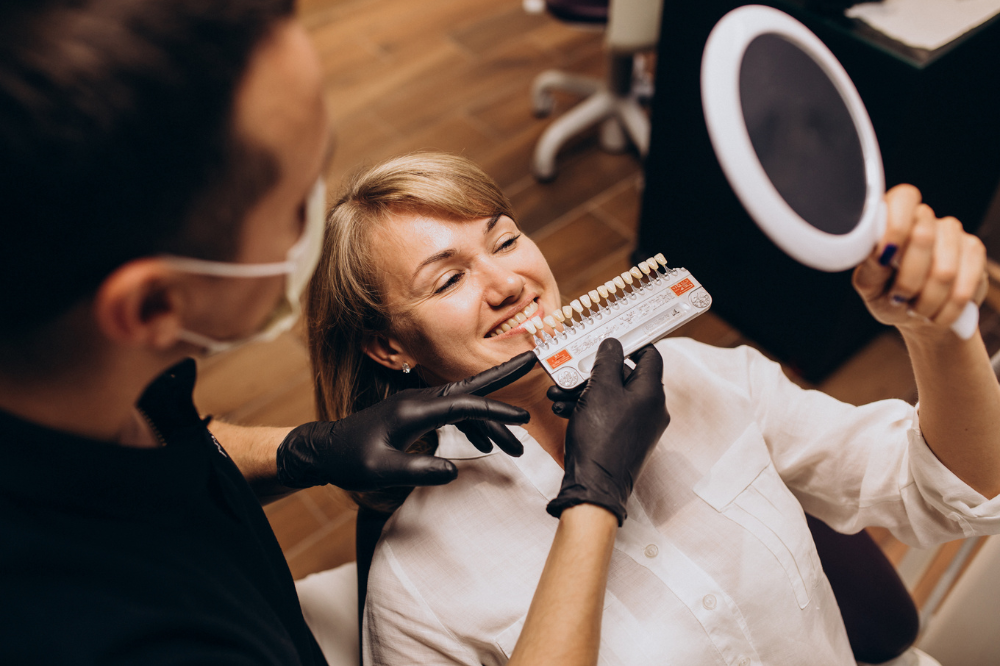
 A dental crown covers and protects a tooth, but the natural tooth underneath remains part of your mouth and still needs regular care. Dental crowns in NE Calgary can restore a tooth that has been weakened by decay, damage, or previous dental treatment. Over time, the tooth beneath the crown can remain healthy when properly cared for, but problems such as decay, cracks, or changes in the tooth can still occur. Understanding what may happen underneath a crown can help you recognize why regular dental care remains important.
Does a Tooth Stay Healthy Under a Crown?
A crown does not completely protect the natural tooth underneath from dental problems. It covers the visible part of the tooth, but the root and some natural tooth structure are still present.
The tooth can stay healthy when:
- The crown fits well.
- The area around the crown is kept clean.
- You brush and floss every day.
- You have regular dental check-ups.
- You take care of your gums.
A crown helps protect the tooth, but good daily oral care is still important.
Can a Tooth Still Get a Cavity Under a Crown?
The answer is yes. Decay can develop around the edge of a crown if plaque and bacteria collect where the crown meets the natural tooth.
A cavity may not always be easy to see because much of the tooth is covered. Regular dental examinations can help detect changes around the crown and gumline.
Signs that may need attention include:
- New tooth sensitivity
- Pain around the crowned tooth
- Food repeatedly getting caught near the crown.
- Swelling or tenderness around the gums
- A crown that feels loose or different
Good cleaning around the crown is important for reducing plaque buildup.
What Happens to a Crowned Tooth as It Ages?
A crowned tooth can change over time for several reasons. The natural tooth may experience normal wear, while the crown itself can also become worn, chipped, or loose.
The condition of the crown may be affected by:
- Daily chewing forces
- Teeth grinding or clenching.
- Changes in the surrounding teeth
- Gum recession
- Poor oral hygiene
- Age and condition of the crown
A dentist near you can check both the crown and the natural tooth during regular examinations.
Does the Tooth Under a Crown Need a Root Canal Eventually?
Not necessarily. A tooth does not automatically need root canal treatment simply because it has a crown.
A root canal may be needed when the inside of a tooth becomes infected or very swollen. This can happen because of deep decay, a crack, an injury, or other damage to the tooth.
Possible warning signs include:
- Persistent tooth pain
- Strong sensitivity to hot or cold
- Pain when biting
- Swelling near the tooth
- A recurring gum bump near the tooth
These symptoms can have different causes, so an examination is needed before deciding on treatment.
Can a Crowned Tooth Need Treatment Years Later?
Yes. Having a crown does not mean the tooth will never need further dental care. The condition of the natural tooth, gums, and crown can change over time.
For example, dental crowns near you may eventually need assessment if the crown becomes damaged, the fit changes, or decay develops around its edge.
A dental professional may check:
- The crown’s fit
- The tooth underneath
- The gums around the crown
- Signs of decay
- Changes in the way the teeth meet
The next step depends on what the examination shows.
How Can You Protect the Tooth Under a Crown?
Taking care of a tooth with a crown is much like caring for your natural teeth. Plaque can still build up around the crown, especially near the gums.
Helpful habits include:
- Brush your teeth twice a day with fluoride toothpaste.
- Clean between your teeth every day.
- Keep the area around the crown and gums clean.
- Avoid chewing on very hard objects.
- Use a dental guard if your dentist recommends one for teeth grinding.
- Visit your dentist for regular check-ups.
A dentist in NE Calgary can also give you simple care tips based on your crown and the teeth around it.
Keep Your Crowned Tooth Healthy Over Time!
A crown can provide important coverage for a damaged tooth, but the natural tooth underneath still needs ongoing care. Regular cleaning and dental examinations can help monitor the crown, tooth, and surrounding gums as they change over time.
Book an appointment with Saddlestone Dental to have your crowned tooth assessed and discuss any changes or concerns about your dental crown.
FAQs
Can a crowned tooth become sensitive?
Yes. Sensitivity can have several causes, including problems with the tooth, gums, or crown. New or ongoing sensitivity should be assessed rather than ignored.
Can a crown fall off?
Yes. A crown can become loose or come off for different reasons. If this happens, the tooth should be assessed so it can be protected and the cause can be determined.
Does a crown protect the entire tooth?
No. A crown covers much of the visible tooth, but the natural tooth and root remain underneath or below the gumline. These areas can still develop problems.
What should you do if a crowned tooth starts hurting?
Arrange a dental examination, especially if pain continues or is accompanied by swelling, sensitivity, or discomfort when biting. The cause needs to be identified before treatment is chosen.