

 Not smoking lowers one important risk for oral cancer, but it does not eliminate the possibility. Some mouth changes begin without pain or obvious symptoms, making routine dental examinations important. Oral cancer screening in NE Calgary includes assessment for unusual changes and areas that may need further checking. Screening cannot diagnose cancer or detect every case, but it can help guide appropriate next steps.
Why Non-Smokers Should Still Be Aware
Tobacco is a major risk factor, but alcohol use, certain human papillomavirus (HPV) infections, repeated sun exposure to the lips, age, and a previous history of oral cancer may also affect risk. Some people develop oral cancer without an obvious risk factor. Non-smokers should still report persistent changes and attend routine checkups.
Although screening is strongly advised, prevention also matters. Limiting alcohol intake, protecting your lips from prolonged sun exposure with an SPF-containing lip product, and discussing HPV vaccination eligibility with a healthcare professional may help reduce certain risks.
What Happens During An Oral Cancer Screening?
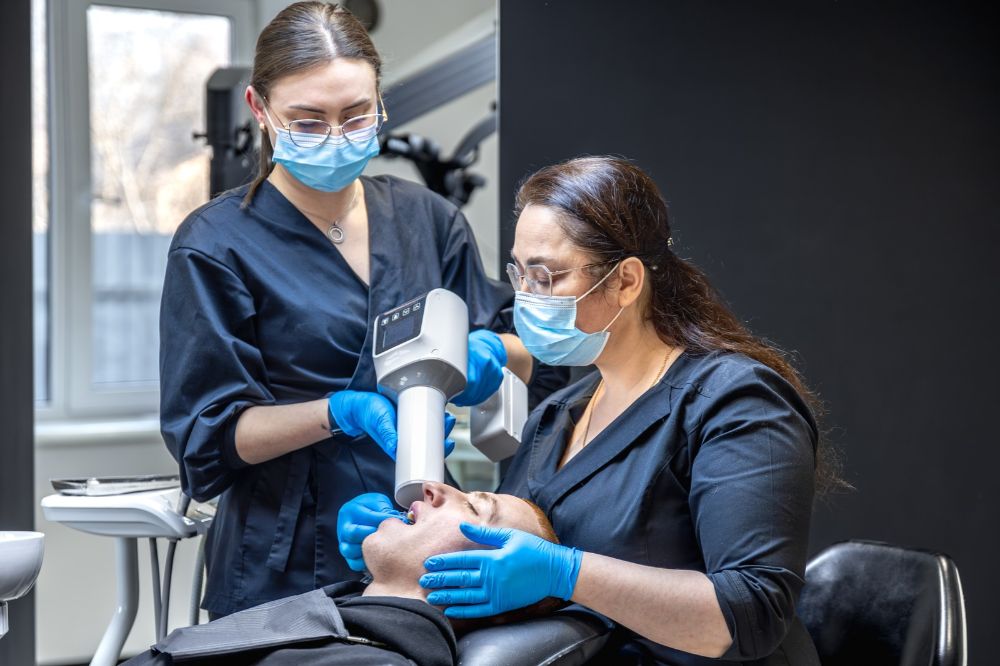
Screening is usually brief and non-invasive. The clinician checks the lips, cheeks, gums, tongue, and the roof and floor of the mouth for unusual patches, sores, lumps, or changes in texture. They may feel the mouth and neck for swelling or firmness.
A dentist in NE Calgary can explain findings and whether monitoring or referral is appropriate. Screening cannot confirm cancer; a suspicious area may need further evaluation or biopsy.
Changes That Deserve Attention
Do not wait for pain before having a persistent change checked. Arrange an assessment for a sore that does not heal, a lasting red or white patch, a lump, unexplained bleeding, numbness, or difficulty swallowing. These signs have several possible causes, so avoid self-diagnosis. If symptoms worsen quickly or make breathing or swallowing difficult, seek urgent medical care.
When looking for oral cancer screening near you, choose a practice that includes soft-tissue checks during routine examinations. However, new or persistent symptoms should be assessed promptly rather than left until your next scheduled visit.
Note when a mouth change first appears, whether it grows, and whether it bleeds or feels sore. These details can help guide the next steps.
How Often Should Screening Be Considered?
There is no single schedule for everyone. Timing may depend on symptoms, health history, and individual risk. A dentist near you can help determine when screening is appropriate. Do not wait for a regular visit if a change persists or grows.
Take A Proactive Approach To Oral Health
Oral cancer can affect non-smokers, but this is not a reason to worry about every irritation. Pay attention to persistent changes and keep regular oral examinations part of your care. Schedule a consultation with Saddlestone Dental to discuss your concerns and learn your options.
FAQs
What are the risk factors for oral cancer besides smoking?
Risk factors include heavy alcohol use, some HPV infections, prolonged sun exposure to the lips, increasing age, and previous oral cancer. Some cases occur without an identifiable factor.
What happens during an oral cancer screening?
The clinician checks the soft tissues for unusual patches, sores, lumps, or changes in texture and may palpate nearby areas. Screening cannot diagnose cancer; an unusual finding may need further examination or biopsy.
Does an oral cancer screening hurt?
The visual check is painless; gently feeling the tissue may cause mild pressure. No cutting is involved. Mention any tender areas.
Can oral cancer develop without symptoms?
Yes. Early changes may not hurt or cause noticeable symptoms. Persistent sores, patches, lumps, or unexplained changes should be assessed even when they are painless.