

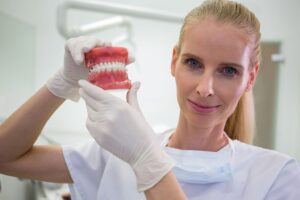
 Do???????????????? you fear the loss of your teeth and your smile? It is true that losing teeth is a common thing as people age, but that should not be a reason for you to lose your confidence. Are you in need of dentures near you? Today, dentures are less bulky and more cosmetically appealing than they used to be. In fact, they can make it possible for you to eat, talk, and smile just like before if they are properly fitted and taken care ????????????????of.
Why Dentures Are Important for Seniors
Dentures are more than just cosmetic solutions. Your face is given support by them, your cheeks don’t droop, and they make eating and talking easier. Dentures for seniors can be great for preserving independence and self-esteem, and oral health.
Choosing the Right Dentist
Having your dentures checked by your trusted dentist near you to fit correctly and comfortably. A professional will:
- Evaluate your mouth and gums
- Take precise impressions for a perfect fit
- Offer advice on types of dentures that suit your lifestyle
- Provide follow-up adjustments to prevent irritation
- A qualified dentist fixes the dentures without any hassle
Understanding Comfortable Dentures
Not all dentures are created equal. A comfortable dentures guide helps seniors to select options that feel natural and good. Key factors include.
- Lightweight materials that reduce pressure on gums
- Properly shaped bases to fit snugly against your mouth
- Designs that can adapt to movement while eating and speaking
- Either partial dentures or full dentures depend on your teeth
Using the right techniques with the most useful tools, we ensure dentures feel like they belong.
Types of Dentures for Seniors
Senior???????????????? citizens can choose from various types of dentures based on their oral health condition:
- Full Dentures: Completely replace the teeth of the upper or lower jaw
- Partial Dentures: Close the spaces in the teeth when some natural teeth are missing
- Implant-Supported Dentures: Give additional firmness to elderly people having a strong jawbone
- Adjustable or Relining Dentures: Enable changes to be made in the shape of the mouth
They are all built to ensure the users’ comfort, stability, and ????????????????safety.
Caring for Your Dentures
Good???????????????? upkeep is a must for both health and the denture’s lifespan:
- Every denture should be cleaned with a soft brush and a mild denture cleaner
- Keep them soaked overnight in a denture solution so that they stay hydrated
- Also, rinse them properly before putting them on each day
- Treat them with care and caution; thus, be sure that you are not dropping them or hurting them
- Regular visits to the dentist to make sure the denture is still fitting well
Adhering to these instructions is a very effective way of avoiding irritation, infections, and ????????????????discomfort.
Regain Comfort and Confidence Today!
Looking???????????????? for a denture that is comfortable and feels natural? A properly fitting denture can be a great change of scenario; it can be your tool to eat, speak, and smile without any hesitation. Come in for your consultation at Saddlestone Dental and check out the options made for the elderly. Don’t hesitate! A smile that’s both healthy and happy is our gift to ????????????????you.
? Find Us on Google Map
FAQs
How long do dentures function?
Generally, dentures remain functional for 5-10 years if they are properly maintained and fitted with the necessary adjustments.
Is it possible to eat as usual with dentures?
Surely, but you should initially consume soft foods and later gradually switch to hard ones.
Will dentures influence my speech?
It may take a very short period of time to get used to newly fitted dentures, but speaking skills are usually back to normal within a few weeks.
Are dentures able to stop bone loss?
On the other hand, implant-supported dentures are the ones that keep the jawbone healthy, whereas normal dentures are mainly used to provide a framework for the ????????????????face.