

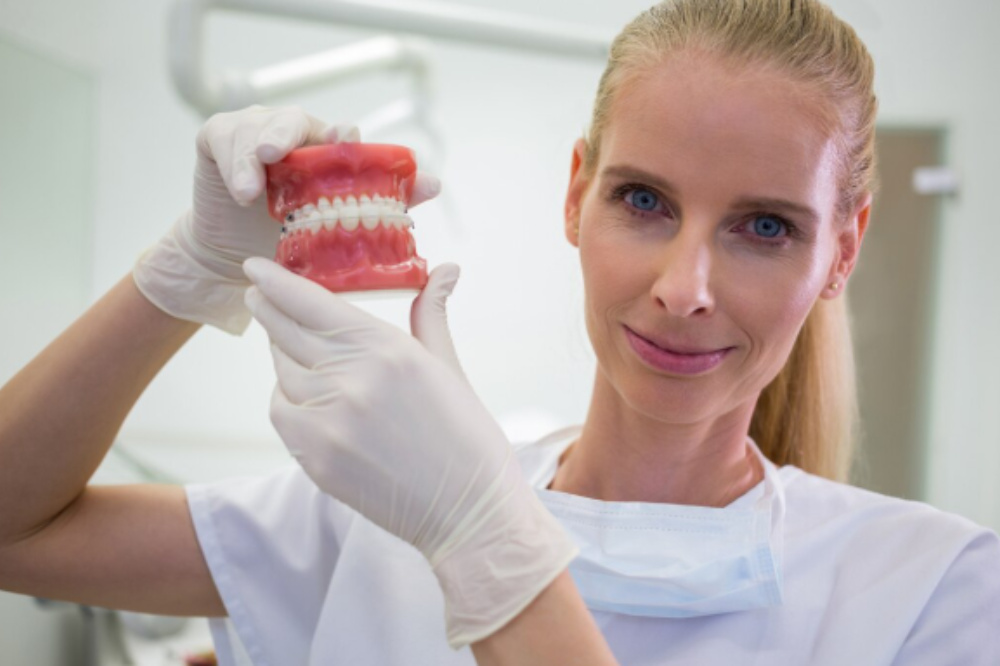
 Are your dentures shifting when you talk, chew, or smile? Dentures near you can lose their snug fit over time as the gums and jaw naturally change shape. Even a small change in fit can cause dentures to rock, slip, or create pressure in certain areas of the mouth. This may make eating harder, affect speech, or leave the gums feeling tender after wearing them. Fortunately, loose dentures do not always mean that a completely new set is needed. Depending on the condition of the dentures and changes in the mouth, an adjustment, repair, or refitting may help improve comfort and stability.
Understanding what causes dentures to loosen and when to seek professional help can make it easier to restore a better fit and enjoy daily activities with greater comfort.
Why Do Dentures Become Loose?
Dentures are designed to fit the shape of the mouth, but that shape can change over time. The gums and jawbone may gradually change after tooth loss, which can affect how well the dentures stay in place.
Other possible reasons include:
- Normal wear and changes in the denture base
- Changes in the shape of the gums
- Weight changes that affect the fit
- Damage or cracks in the denture
- Dentures that have become worn over time
- Changes in the way the upper and lower teeth meet
Identifying the cause is important before deciding how to improve the fit.
Can Dentures Be Made to Fit Tighter?
Yes, in many cases, dentures can be adjusted to improve their fit. Dentures in NE Calgary may be assessed for changes that can help them feel more secure and comfortable.
Depending on the condition of the dentures and the mouth, possible solutions may include:
- Denture adjustment: Small changes may improve comfort and reduce movement.
- Denture relining: The inside surface may be modified to match the current shape of the gums better.
- Denture repair: Damage that affects the fit may need to be repaired.
- Denture replacement: Older or badly worn dentures may need to be replaced with a new set.
The right option depends on the condition of the dentures and how much the mouth has changed.
How Can I Make My Loose Dentures Fit Better?
If you are asking, “How can I make my loose dentures fit better?” the safest choice is to have them checked by a dental professional. Avoid trying to adjust them yourself.
Helpful steps include:
- Book a denture checkup.
- Keep your dentures clean.
- Store them properly when not in use.
- Do not file or adjust them at home.
- Tell your dentist near you about sore spots or discomfort.
- Ask if a reline or adjustment could improve the fit.
A dental check can help find the cause of the loose fit and prevent further problems.
What Can a Dentist Do for Loose Dentures?
A dentist in NE Calgary can examine the dentures and check how they fit against the gums and surrounding tissues. The mouth may also be assessed for changes that could be affecting stability.
The assessment may look at:
- How much the dentures move during speaking or chewing
- Whether the denture base still matches the shape of the mouth
- Areas causing pressure or irritation
- Signs of wear or damage
- Whether the bite is balanced
- Whether a repair, adjustment, reline, or replacement is appropriate
This helps ensure that the solution addresses the actual cause of the loose fit.
When Should Loose Dentures Be Replaced?
Sometimes, adjusting dentures may not be enough. Very old, worn, cracked, or poorly fitting dentures may need to be replaced.
New dentures may be needed if:
- Dentures stay loose after an adjustment.
- Chewing becomes difficult.
- Dentures move when you speak.
- The dentures are cracked or damaged.
- They need repairs often.
- Your mouth has changed over time.
A dental professional can check your dentures and let you know if they can be fixed or if a new set may be a better choice.
What Should You Avoid With Loose Dentures?
Trying to fix loose dentures without professional guidance may cause more damage or make the fit worse. Avoid using household adhesives or attempting to reshape the denture yourself.
It is also important not to ignore ongoing discomfort. Constant movement can cause irritation and sore areas, making daily denture use more difficult.
Find a Better Fit for Your Dentures!
Loose dentures do not always mean that a completely new set is needed. An assessment can help determine whether an adjustment, reline, repair, or replacement may improve comfort and stability. Addressing a poor fit early can also help make eating and speaking easier.
Book an appointment with Saddlestone Dental to have your dentures assessed and discuss the most suitable way to improve their fit and comfort.
FAQs
Can loose dentures cause sore gums?
Yes. Dentures that move or rub against the gums may create sore or irritated areas. An assessment can help identify the cause and determine whether an adjustment is needed.
Can denture adhesive fix loose dentures?
Denture adhesive may help hold loose dentures in place for a short time, but it does not fix a poor fit. If your dentures stay loose, have them checked by a dental professional.
Can old dentures be made tighter?
Sometimes. Depending on their condition, old dentures may be adjusted or relined. If they are badly worn or damaged, replacement may be recommended.
Why do dentures become loose after years of use?
Changes in the gums and jawbone after tooth loss can gradually alter the shape of the mouth. As a result, older dentures may no longer fit as securely as they once did.