

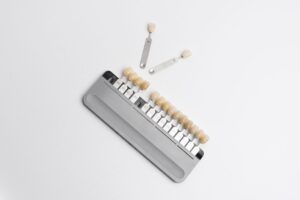
 When a tooth is badly decayed, cracked, or weakened, a filling might not be enough to save it. This is where a dental crown comes in. Often called a “cap,” a crown fits over the entire tooth to restore its size, shape, and strength.
If you are experiencing tooth pain or have a visible crack, visiting a dentist near you is the first step toward protecting your oral health.
A crown not only saves the natural tooth from further damage but also ensures that your bite remains aligned. Modern dentistry offers several types of crowns, each designed to meet specific needs in terms of durability and appearance.
Why Should You Consider Dental Crowns?
Choosing a crown is a proactive way to avoid more expensive treatments, such as extractions or implants, later on.
When looking for dental crowns near you, it is essential to understand that the process is designed to be comfortable and efficient. A crown acts as a protective shield, sealing the tooth from bacteria and providing a sturdy surface for chewing.
Beyond just health, crowns constitute a significant part of cosmetic dentistry. They can be used to cover severely stained or misshapen teeth, giving you a more uniform and confident smile.
What Are The Common Dental Crown Materials?
One of the most important decisions you will make with your dental provider is selecting the right dental crown materials. Each material has its own strengths and is suited to different parts of the mouth. Common choices include:
- Porcelain or Ceramic: These are the most popular for front teeth because they can be matched to your natural tooth color perfectly.
- Zirconia: Known for its extreme strength, zirconia is a newer ceramic that is nearly impossible to chip, making it great for back molars.
- Metal Alloys: These are often made from gold or silver-colored metals. They are incredibly durable and require the least amount of tooth removal.
- Porcelain-Fused-to-Metal (PFM): This option provides the strength of metal with a porcelain exterior for a more natural look.
Which Crown Options Are Best For The Back Teeth?
When exploring crown options for teeth that handle the heavy lifting of chewing, durability is the top priority.
Your back molars take on a lot of pressure, so materials like zirconia or gold are often recommended. Metal crowns are particularly beneficial because they do not wear down the opposing teeth over time, even if you tend to grind your teeth at night.
While these might not be the most “invisible” options, their long lifespan makes them a favourite for teeth that aren’t easily seen when you smile.
Are Porcelain Crowns The Right Choice For Front Teeth?
For the teeth that show when you talk and laugh, aesthetics are usually the biggest concern. Pure porcelain or ceramic crowns are favored here because they mimic the translucency of natural enamel. They reflect light just like real teeth do, making them almost impossible to spot.
While they might be slightly more brittle than metal, they are still powerful and can last for over a decade with proper care. This makes them the ideal choice for anyone looking to restore their smile without sacrificing a natural appearance.
How Does The Crown Procedure Work?
The process typically takes two visits. During the first visit, the tooth is prepared by removing any decay and shaping the enamel so the crown can fit over it.
An impression or digital scan is taken and sent to a lab to create your custom restoration. In the meantime, you will wear a temporary crown to protect the tooth.
Once your permanent crown is ready, you return to have it bonded into place. The dental team will check your bite and make minor adjustments to ensure it feels perfectly comfortable.
How Can You Ensure Your Crown Lasts For Years?
Maintaining a dental crown is very similar to caring for your natural teeth. You should brush twice a day and floss regularly, paying extra attention to the gum line where the crown meets the tooth.
Avoiding very hard or sticky foods can prevent the crown from chipping or becoming loose. Regular dental check-ups are also vital, as your dentist can monitor the integrity of the crown and ensure the underlying tooth remains healthy. With excellent hygiene, most crowns can last 15 years or more.
Quick Comparison of Crown Types
| Material Type | Best For | Main Benefit |
| All-Porcelain | Front Teeth | Most natural appearance |
| Zirconia | Back Teeth | Extremely strong and durable |
| Metal/Gold | Hidden Molars | Longevity and minimal tooth prep |
| PFM | Support/Aesthetics | Blend of strength and beauty |
Restoring Strength to Your Smile
A dental crown is a dependable way to protect and restore a damaged tooth. Whether you need strength for a back tooth or a natural look for a front tooth, crowns help prevent further damage and preserve your smile.
At Saddle Stone Dental, we provide personalized care using high-quality materials for comfort and lasting results. If you have a damaged tooth or are due for a checkup, contact us today to schedule a consultation.
Frequently Asked Questions
Does getting a dental crown hurt?
The procedure is done under local anaesthesia so that you won’t feel pain; you may only have minor sensitivity for a few days after.
How long does a dental crown typically last?
Most crowns last between 10 and 15 years, though many can last longer with high-quality materials and excellent oral hygiene.
Can a crown get a cavity?
While the crown itself cannot decay, the natural tooth underneath can, which is why brushing and flossing are still essential.
Will my crown look different from my other teeth?
Modern porcelain and zirconia crowns are custom-shaded to match your surrounding teeth exactly, blending in seamlessly.